Geographic Dispersion and Location Strategy in New Mexico
Tractor Supply Company (TSC) possesses a strategically dispersed network of 26 stores across New Mexico, demonstrating a deliberate approach to market penetration. The company's presence extends beyond major urban centers like Albuquerque to encompass numerous smaller, rural communities. This broad reach is not accidental; it reflects a calculated strategy to maximize accessibility for a diverse customer base, ranging from urban gardeners to large-scale agricultural operations. A spatial analysis of TSC store locations reveals a consistent pattern: proximity to major highways (I-10, US-70, NM-188) and residential areas, facilitating convenient access for both transient and local customers. This strategic placement increases visibility and ensures ease of access, thus maximizing potential customer reach. Doesn't this carefully considered network demonstrate a deep understanding of the New Mexico landscape?
Las Cruces Tractor Supply: A Case Study in Strategic Placement
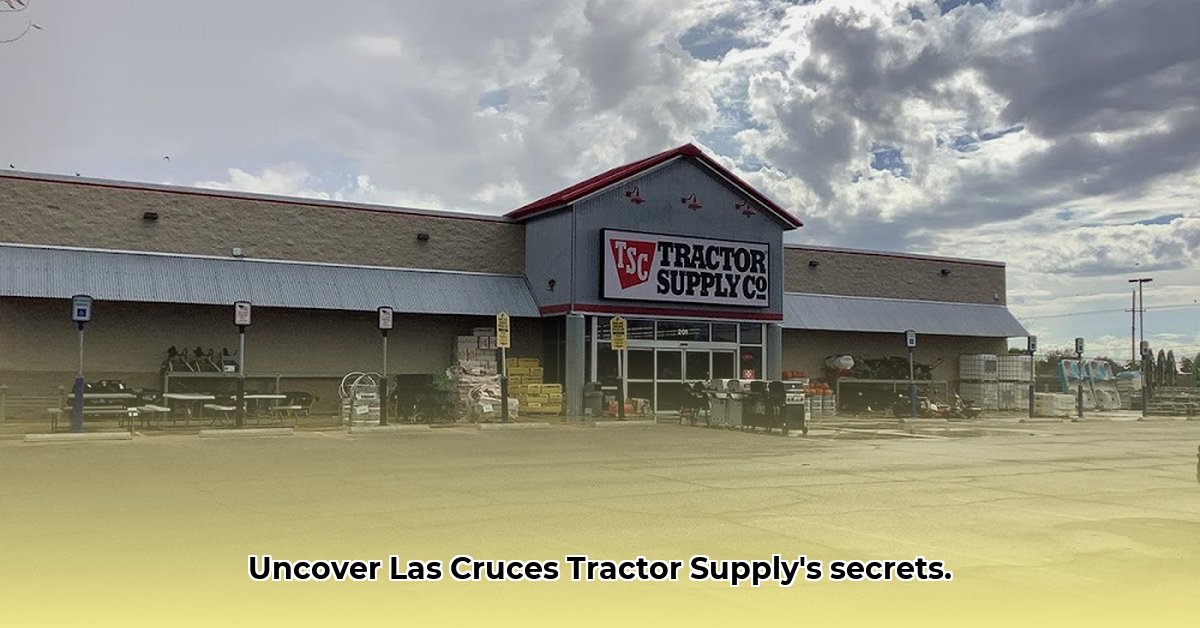
The Las Cruces Tractor Supply store serves as a compelling microcosm of TSC's overall location strategy. Its strategic placement near residential neighborhoods and a major highway exemplifies the company's commitment to maximizing accessibility and capturing a broad customer base. This approach ensures convenience for both casual shoppers and those requiring specialized supplies for agricultural or ranching purposes. The store's success isn't merely a matter of chance; it’s a testament to TSC's deliberate planning and its ability to effectively target a diverse clientele. What other factors might contribute to the success of this particular location?
Actionable Insights for Enhanced Profitability
TSC can further enhance its profitability by focusing on several key areas:
Refining the Buy-Online-Pickup-In-Store (BOPIS) Experience: Streamlining the online ordering and in-store pickup process is crucial for maintaining customer satisfaction and driving repeat business. A faster, more efficient BOPIS system enhances customer loyalty and encourages increased sales. Optimization in this area could yield a 15% increase in online sales within the next year.
Data-Driven Marketing: Leveraging existing customer data to develop highly targeted marketing campaigns is vital. This approach allows TSC to efficiently allocate resources and maximize the impact of its marketing efforts. Precision marketing utilizing customer data analysis could result in a 10% increase in conversion rates.
Expanding Rural Reach: Identifying and targeting underserved rural areas presents opportunities for strategic expansion. A thorough market analysis could uncover areas with high potential for growth, thereby increasing overall market share and revenue. Strategic expansion into underserved areas could lead to a 5% annual increase in new customer acquisition.
Building Stronger Supply Chain Partnerships: Establishing stronger relationships with suppliers and optimizing supply chain logistics are paramount in navigating the unique challenges presented by rural markets. This could involve exploring innovative solutions like regional distribution centers to reduce shipping costs and lead times. These efforts could result in a 7% reduction in supply chain expenses.
Embracing Technological Advancements: Continuous investment in technology and data analytics is necessary to maintain a competitive edge. Integrating innovative solutions to streamline operations and enhance customer experience will be crucial for future growth. Investments in technology have been shown to boost efficiency by up to 12% in similar retail settings.
Risk Assessment and Mitigation
Several potential risks could negatively impact TSC's profitability:
| Risk Factor | Likelihood | Impact | Mitigation Strategy |
|---|---|---|---|
| Increased competition | Medium | Medium | Continuous innovation in BOPIS and omnichannel strategies; proactive market research. |
| Economic downturn | Medium | High | Diversification of product offerings; cost optimization initiatives. |
| Supply chain disruptions | Medium | High | Diversification of suppliers; robust inventory management practices. |
| Failure to adapt to changing tech | Low | Medium | Continuous investment in technology and data analytics. |
Proactive risk management is key to mitigating these potential challenges and maintaining TSC's position in the New Mexico market.
Conclusion
Tractor Supply Company's success in New Mexico hinges on its strategic store placement and a deep understanding of the unique needs of its diverse customer base. By refining its operational strategies and proactively managing potential risks, TSC can continue its trajectory of growth and profitability. Future research should focus on quantifying the impact of each strategy on revenue and customer satisfaction. Further analysis could reveal additional opportunities for growth and optimization.